Cybersecurity Best Practices for SMEs in 2024
Learn the best cybersecurity practices that SMEs must adopt in 2024 to protect their data and systems from evolving threats.
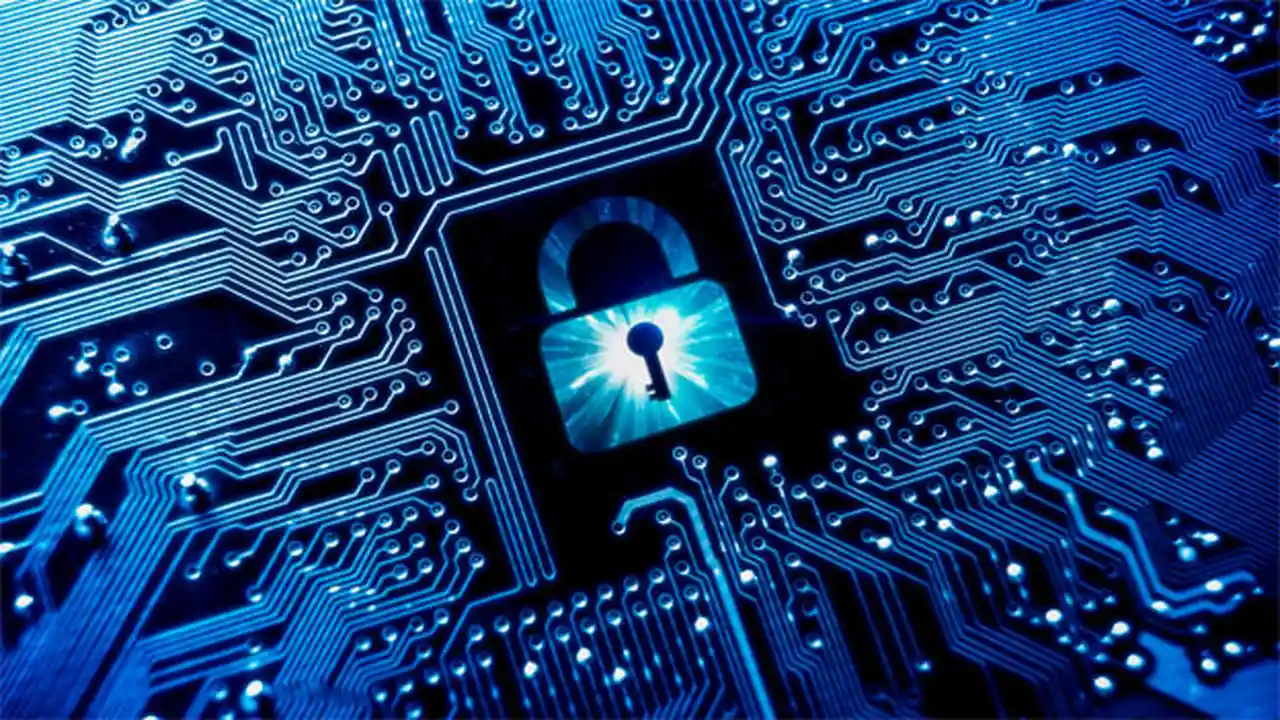
Learn the best cybersecurity practices that SMEs must adopt in 2024 to protect their data and systems from evolving threats.
Cybersecurity Best Practices for SMEs in 2024
Hey there, small and medium-sized business owners! Let's talk about something super important in today's digital world: cybersecurity. It might sound like a big, scary topic usually reserved for massive corporations, but trust me, it's just as crucial, if not more so, for SMEs. Why? Because you're often seen as easier targets by cybercriminals. You might not have the huge IT departments or the endless budgets of a Fortune 500 company, but you still hold valuable data – customer information, financial records, intellectual property – that hackers would love to get their hands on. A single breach can be devastating, leading to financial losses, reputational damage, and even business closure. So, let's dive into the best cybersecurity practices you absolutely need to adopt in 2024 to keep your business safe and sound.
Understanding the Evolving Threat Landscape for Small and Medium Businesses
First off, it's vital to understand what we're up against. Cyber threats aren't static; they're constantly evolving. What worked last year might not be enough this year. For SMEs, the common threats include:
- Phishing and Social Engineering: These are still incredibly prevalent. Think fake emails, texts, or calls designed to trick your employees into revealing sensitive information or clicking malicious links.
- Ransomware Attacks: This is where your data gets encrypted, and criminals demand a ransom (usually in cryptocurrency) to unlock it. It can bring your operations to a complete halt.
- Malware and Viruses: Broad categories of malicious software designed to disrupt, damage, or gain unauthorized access to your computer systems.
- Insider Threats: Sometimes, the danger comes from within, whether it's a disgruntled employee or simply someone making an honest mistake that opens a door for attackers.
- Supply Chain Attacks: Cybercriminals might target a smaller, less secure vendor in your supply chain to gain access to your systems.
The key takeaway here is that cybercriminals are becoming more sophisticated and targeted. They're not just casting a wide net; they're often doing their homework on your business.
Foundational Cybersecurity Practices for SME Protection
Alright, let's get into the actionable stuff. These are the non-negotiables, the absolute must-haves for any SME looking to bolster its cyber defenses.
Employee Training and Awareness The Human Firewall
Your employees are your first line of defense, but they can also be your weakest link if not properly trained. Regular, engaging cybersecurity awareness training is paramount. This isn't a one-and-done thing; it needs to be ongoing. What should it cover?
- Recognizing Phishing: Teach them how to spot suspicious emails, links, and attachments.
- Strong Password Habits: Emphasize unique, complex passwords and the importance of not sharing them.
- Multi-Factor Authentication (MFA): Explain why MFA is crucial for all accounts.
- Safe Browsing: Educate them on avoiding suspicious websites and downloads.
- Reporting Incidents: Make sure they know who to contact immediately if they suspect a cyber incident.
Consider simulated phishing attacks to test their readiness and reinforce training. Make it a part of your company culture to be cyber-aware.
Implementing Multi-Factor Authentication MFA for Enhanced Security
This is a game-changer. MFA adds an extra layer of security beyond just a password. Even if a hacker gets an employee's password, they still need a second piece of information (like a code from a phone app, a fingerprint, or a physical key) to gain access. Implement MFA across all critical systems and accounts – email, cloud services, VPNs, banking portals, etc. It's a simple step that significantly reduces the risk of unauthorized access.
Regular Software Updates and Patch Management Keeping Systems Current
Software vulnerabilities are like open windows for hackers. Software vendors constantly release updates and patches to fix these vulnerabilities. It's absolutely critical to apply these updates promptly. This includes operating systems (Windows, macOS, Linux), web browsers, antivirus software, and all business applications. Automate updates where possible, and have a clear process for manually updating critical systems. Don't delay; a known vulnerability is a hacker's playground.
Robust Backup and Disaster Recovery Planning Data Resilience
Imagine a ransomware attack or a hardware failure. What happens to your data? A comprehensive backup and disaster recovery plan is your safety net. You need to:
- Back up regularly: Daily or even more frequently for critical data.
- Use the 3-2-1 rule: Three copies of your data, on two different media, with one copy offsite.
- Test your backups: Regularly verify that your backups are working and that you can actually restore data from them. There's nothing worse than finding out your backups are corrupted when you desperately need them.
- Have an incident response plan: Know exactly what steps to take if a breach occurs.
Network Security Essentials Firewalls and Secure Wi-Fi
Your network is the highway for your data. You need to protect it. This means:
- Firewalls: Both hardware and software firewalls are essential to control incoming and outgoing network traffic, blocking unauthorized access.
- Secure Wi-Fi: Use strong encryption (WPA2 or WPA3) for your Wi-Fi networks. Change default router passwords immediately. Create separate guest networks for visitors, keeping your main business network isolated.
- Network Segmentation: If possible, segment your network to isolate critical systems and data, limiting the spread of an attack if one part of your network is compromised.
Advanced Cybersecurity Measures for Proactive Protection
Once you have the foundations in place, consider these more advanced measures to further strengthen your defenses.
Endpoint Detection and Response EDR Solutions for Modern Threats
Traditional antivirus software is good, but EDR takes it to the next level. EDR solutions continuously monitor endpoints (laptops, desktops, servers) for suspicious activity, not just known threats. They can detect and respond to advanced threats like fileless malware and sophisticated ransomware. They provide deeper visibility and automated response capabilities. For SMEs, this means better protection against zero-day attacks and more complex threats.
Recommended EDR Products for SMEs:
-
CrowdStrike Falcon Go:
- Description: A cloud-native EDR solution known for its lightweight agent and AI-powered threat detection. Falcon Go is specifically designed for smaller businesses, offering robust protection without requiring a dedicated security team. It focuses on preventing breaches, detecting advanced threats, and providing automated responses.
- Use Case: Ideal for SMEs that need strong, proactive protection against sophisticated attacks like ransomware and advanced persistent threats (APTs) but lack extensive in-house cybersecurity expertise. It's easy to deploy and manage.
- Comparison: Offers superior threat intelligence and behavioral analytics compared to traditional antivirus. Its cloud-native architecture means minimal impact on endpoint performance.
- Estimated Pricing: Starts around $5-10 per endpoint per month, often with annual contracts. Pricing can vary based on the number of endpoints and specific features.
-
SentinelOne Singularity Core:
- Description: Another leading EDR platform that uses AI and machine learning to autonomously prevent, detect, and respond to threats across all endpoints. Singularity Core provides a strong foundation for endpoint protection, offering real-time visibility and automated remediation.
- Use Case: Excellent for SMEs looking for a comprehensive EDR solution that can handle a wide range of threats, including ransomware, malware, and fileless attacks. Its autonomous capabilities reduce the need for constant manual intervention.
- Comparison: Similar to CrowdStrike in its AI-driven approach, SentinelOne often highlights its autonomous remediation capabilities, which can automatically roll back malicious changes.
- Estimated Pricing: Similar to CrowdStrike, typically in the range of $4-8 per endpoint per month, depending on volume and features.
-
Sophos Intercept X Advanced with EDR:
- Description: Sophos offers a comprehensive security suite that includes EDR capabilities. Intercept X Advanced combines deep learning AI, anti-ransomware technology (CryptoGuard), and EDR to provide extensive protection and threat hunting capabilities.
- Use Case: Suitable for SMEs that prefer an integrated security solution from a single vendor, covering not just EDR but also other aspects like web filtering and firewall management. It's user-friendly and offers good reporting.
- Comparison: Sophos is known for its user-friendly interface and integrated approach, making it easier for SMEs to manage multiple security functions from one console. Its anti-ransomware technology is particularly strong.
- Estimated Pricing: Can range from $3-7 per user/endpoint per month, often with tiered pricing based on features and volume.
Identity and Access Management IAM Controlling Who Accesses What
IAM is about ensuring that only authorized individuals have access to specific resources, and only for the duration they need it. This involves:
- Least Privilege Principle: Granting users only the minimum access necessary to perform their job functions.
- Regular Access Reviews: Periodically reviewing user access rights to ensure they are still appropriate.
- Single Sign-On (SSO): Streamlining access to multiple applications with one set of credentials, improving user experience and security.
Recommended IAM Products for SMEs:
-
Okta Workforce Identity:
- Description: A leading cloud-based IAM solution that provides single sign-on (SSO), multi-factor authentication (MFA), and lifecycle management. Okta helps centralize user access to all applications, both cloud and on-premises, enhancing security and user experience.
- Use Case: Ideal for SMEs with a growing number of cloud applications and a need for robust identity governance. It simplifies user provisioning and de-provisioning, making it easier to manage employee access as they join or leave the company.
- Comparison: Okta is highly regarded for its extensive integration catalog, allowing seamless SSO with thousands of applications. It offers a very user-friendly experience for both administrators and end-users.
- Estimated Pricing: Starts with a free tier for basic SSO and MFA, with paid plans for more advanced features like lifecycle management and API access management typically ranging from $2-10 per user per month, depending on the modules chosen.
-
Microsoft Azure Active Directory (Azure AD) Basic/Premium:
- Description: Microsoft's cloud-based identity and access management service. Azure AD provides SSO, MFA, and conditional access policies, especially powerful for businesses already using Microsoft 365 or Azure services.
- Use Case: Perfect for SMEs deeply integrated into the Microsoft ecosystem. It offers seamless integration with Windows, Office 365, and other Microsoft cloud services, providing a unified identity experience.
- Comparison: Its strength lies in its native integration with Microsoft products. While Okta is platform-agnostic, Azure AD offers a more streamlined experience for Microsoft-centric environments.
- Estimated Pricing: A free tier is included with Microsoft 365 subscriptions. Azure AD Premium P1 and P2, which offer advanced features like conditional access and identity protection, typically cost around $6-9 per user per month.
-
LastPass Business:
- Description: While primarily known as a password manager, LastPass Business offers SSO capabilities and robust MFA for employees. It helps enforce strong password policies and provides a secure vault for all company credentials.
- Use Case: Great for smaller SMEs looking for an affordable and easy-to-implement solution to manage passwords and provide basic SSO and MFA. It helps employees adopt better password hygiene.
- Comparison: More focused on password management and basic SSO/MFA compared to the broader IAM capabilities of Okta or Azure AD. It's a good entry-level option for businesses prioritizing password security.
- Estimated Pricing: LastPass Business plans typically start around $4-6 per user per month, offering good value for its features.
Security Information and Event Management SIEM for Centralized Monitoring
SIEM solutions collect and analyze security logs and events from various sources across your IT infrastructure (servers, firewalls, applications). They help detect security incidents, identify patterns of attack, and provide a centralized view of your security posture. For SMEs, a scaled-down or managed SIEM service can be incredibly valuable for proactive threat detection and compliance.
Recommended SIEM Products for SMEs (often as Managed Services):
-
Splunk Cloud (or Splunk Enterprise for larger SMEs):
- Description: Splunk is a powerful platform for collecting, indexing, and analyzing machine-generated data, including security logs. While often associated with large enterprises, Splunk Cloud offers a more accessible entry point for SMEs, and many Managed Security Service Providers (MSSPs) leverage Splunk for their SME clients.
- Use Case: For SMEs that generate a significant amount of log data and need deep analytical capabilities for threat detection, compliance reporting, and operational intelligence. It requires some expertise to set up and manage effectively, which is why MSSPs often come into play.
- Comparison: Splunk is renowned for its data ingestion and search capabilities. It's highly flexible but can be complex and costly for direct SME implementation without a managed service.
- Estimated Pricing: Splunk's pricing is complex, based on data ingestion volume. For SMEs, direct licensing can be expensive, often starting in the thousands per month. Managed SIEM services using Splunk might offer more predictable monthly fees, starting from a few hundred to a few thousand dollars, depending on scope.
-
LogRhythm Cloud (or LogRhythm SIEM for larger SMEs):
- Description: LogRhythm offers a comprehensive SIEM platform with strong security analytics, user and entity behavior analytics (UEBA), and network detection and response (NDR) capabilities. Their cloud offering makes it more accessible.
- Use Case: Suitable for SMEs that need advanced threat detection, compliance management, and a unified security operations platform. It's designed to help security teams (or managed service providers) quickly identify and respond to threats.
- Comparison: LogRhythm is often praised for its integrated security features and ease of use for security analysts. It provides a good balance of features for threat detection and compliance.
- Estimated Pricing: Similar to Splunk, direct licensing can be substantial. Managed SIEM services leveraging LogRhythm would have varying monthly costs, likely in the range of $500-$3000+ depending on the scope of monitoring and services.
-
Blumira:
- Description: Blumira is a cloud-delivered SIEM and XDR (Extended Detection and Response) platform specifically designed for small and mid-sized businesses. It focuses on ease of deployment, automated detection, and guided response, making advanced security accessible without a large security team.
- Use Case: Excellent for SMEs that need SIEM capabilities but are overwhelmed by the complexity and cost of traditional SIEMs. Blumira provides pre-tuned detections and playbooks, reducing the need for in-house expertise.
- Comparison: Blumira stands out for its SME-centric approach, offering a more streamlined and less complex solution than enterprise-grade SIEMs. It emphasizes quick time-to-value and actionable insights.
- Estimated Pricing: Blumira offers more transparent and affordable pricing for SMEs, often starting from a few hundred dollars per month, scaling with the number of users and data sources. They also have a free tier for Microsoft 365 users.
Vendor Security Assessments Securing Your Supply Chain
Remember supply chain attacks? If you rely on third-party vendors for services (cloud hosting, payment processing, software development), their security posture directly impacts yours. Conduct due diligence on your vendors. Ask about their security certifications, data protection policies, and incident response plans. Include security clauses in your contracts. A chain is only as strong as its weakest link, and you don't want that link to be one of your vendors.
Regular Security Audits and Penetration Testing Proactive Vulnerability Discovery
Think of these as health check-ups for your IT systems. A security audit involves a thorough review of your security policies, configurations, and controls. Penetration testing (or pen testing) goes a step further: ethical hackers attempt to break into your systems to identify vulnerabilities before malicious actors do. While potentially an investment, these can uncover critical weaknesses you might not even know exist.
Building a Culture of Security Beyond Technology
Cybersecurity isn't just about the tools and technologies; it's also about the people and processes. Foster a culture where security is everyone's responsibility. Encourage open communication about potential threats and make it easy for employees to report suspicious activity without fear of reprimand. Regularly review and update your security policies to reflect new threats and technologies. Consider appointing a dedicated cybersecurity lead, even if it's a part-time role, to oversee your efforts.
Staying Ahead of the Curve Continuous Learning and Adaptation
The cyber threat landscape is dynamic. What's a best practice today might be outdated tomorrow. Stay informed about the latest threats and vulnerabilities. Subscribe to cybersecurity news feeds, attend webinars, and engage with industry communities. Continuously evaluate your security posture and adapt your strategies as needed. This proactive approach is your best defense against the ever-evolving world of cybercrime.
Protecting your SME from cyber threats in 2024 requires a multi-layered approach, combining robust technology with well-trained employees and sound processes. It's an ongoing commitment, not a one-time fix. By implementing these best practices, you're not just protecting your data; you're safeguarding your business's future, reputation, and financial stability. Stay vigilant, stay secure!
:max_bytes(150000):strip_icc()/277019-baked-pork-chops-with-cream-of-mushroom-soup-DDMFS-beauty-4x3-BG-7505-5762b731cf30447d9cbbbbbf387beafa.jpg)