Comparing Payment Gateways for E-commerce Businesses
A detailed comparison of leading payment gateways to help e-commerce businesses choose the most secure and efficient option.
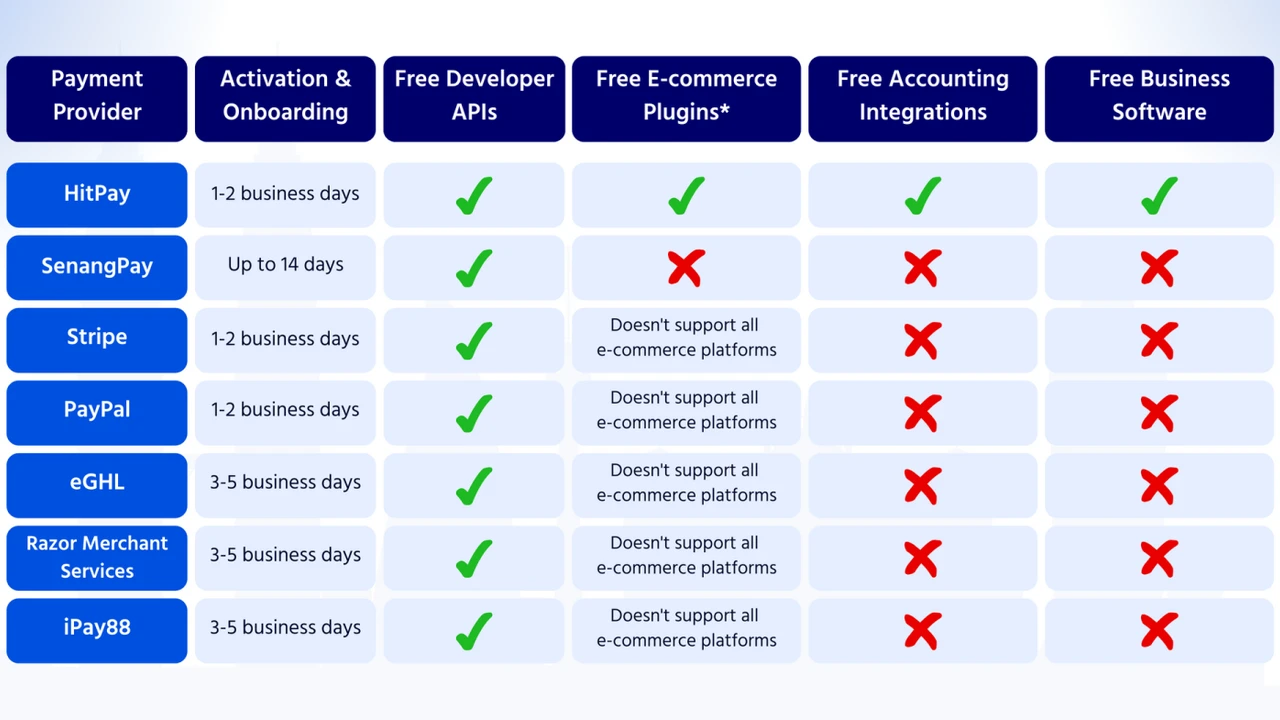
A detailed comparison of leading payment gateways to help e-commerce businesses choose the most secure and efficient option.
Comparing Payment Gateways for E-commerce Businesses
Understanding Payment Gateways The Digital Transaction Bridge
So, you've got your e-commerce store all set up, your products are looking fantastic, and your marketing is drawing in customers. That's awesome! But there's one crucial piece of the puzzle that often gets overlooked until the last minute: how are your customers actually going to pay you? This is where payment gateways come into play. Think of a payment gateway as the digital bridge between your customer's bank account (or credit card) and your business's bank account. It's the secure system that authorizes and processes online payments, ensuring that money moves safely and efficiently from one party to another. Without a reliable payment gateway, your e-commerce business simply can't function. It's not just about accepting payments; it's about security, speed, customer experience, and ultimately, your bottom line.
Choosing the right payment gateway isn't a one-size-fits-all decision. It depends on a multitude of factors, including your business size, the types of products you sell, your target audience (are they mostly local or international?), your budget, and your technical capabilities. A small startup selling handmade crafts might have very different needs than a large enterprise selling high-value electronics. This guide will break down the key considerations and compare some of the leading options available today, helping you make an informed choice for your e-commerce venture.
Key Factors for E-commerce Payment Gateway Selection
Before we dive into specific products, let's talk about what you should be looking for. These are the critical aspects that will influence your decision:
Transaction Fees and Pricing Models for Online Payments
This is often the first thing businesses look at, and for good reason. Payment gateways charge fees for their services. These can vary significantly and usually include:
- Per-transaction fees: A percentage of the transaction amount, sometimes with a small fixed fee on top (e.g., 2.9% + $0.30).
- Monthly fees: Some gateways charge a flat monthly fee, especially for premium plans or dedicated accounts.
- Setup fees: Less common now, but some providers might charge an initial fee to get started.
- Chargeback fees: If a customer disputes a transaction, you might incur a fee, regardless of the outcome.
- International transaction fees: Processing payments from customers outside your home country often comes with additional charges.
- Withdrawal fees: Some platforms might charge a fee to transfer funds from your gateway account to your bank.
It's crucial to understand the full pricing structure. A seemingly low per-transaction fee might be offset by high monthly or international fees. Always read the fine print!
Security Features and PCI Compliance for E-commerce Transactions
Security is paramount. You're dealing with sensitive customer financial data, and any breach can be catastrophic for your business's reputation and legal standing. Look for gateways that offer:
- PCI DSS Compliance: This is a non-negotiable industry standard for handling credit card information. Ensure your chosen gateway is fully compliant.
- Encryption: All data transmitted should be heavily encrypted to prevent interception.
- Fraud Detection Tools: Advanced algorithms and tools to identify and prevent fraudulent transactions. This can save you a lot of money and headaches from chargebacks.
- Tokenization: Replacing sensitive card data with a unique identifier (token) to reduce the risk of data breaches.
- 3D Secure: An extra layer of security for online credit and debit card transactions, requiring customers to verify their identity with their bank.
Integration and Compatibility with E-commerce Platforms
How easily does the gateway integrate with your existing e-commerce platform (e.g., Shopify, WooCommerce, Magento, BigCommerce)?
- Pre-built integrations: Many popular gateways have direct plugins or apps for major e-commerce platforms, making setup a breeze.
- APIs: If you have a custom-built website or specific needs, a robust API (Application Programming Interface) allows developers to integrate the gateway seamlessly.
- Hosted vs. Integrated: Hosted gateways redirect customers to the gateway's secure page for payment, while integrated gateways allow customers to complete the transaction directly on your site. Integrated offers a smoother customer experience but requires more security responsibility on your end.
Supported Payment Methods and Currencies for Global Reach
Consider your target audience. Do they prefer credit cards, debit cards, digital wallets (like Apple Pay, Google Pay, PayPal), or local payment methods? The more options you offer, the less likely a customer is to abandon their cart. If you're selling internationally, supporting multiple currencies and local payment methods is crucial for conversion.
Customer Experience and User Interface for Seamless Checkout
A clunky or confusing checkout process is a major cause of cart abandonment. Look for a gateway that offers:
- Smooth checkout flow: Minimal steps, clear instructions.
- Mobile responsiveness: Essential for customers shopping on smartphones and tablets.
- Customization options: Can you brand the checkout page to match your store's look and feel?
Customer Support and Reliability for Business Continuity
What happens if something goes wrong? Reliable customer support is vital. Look for:
- Availability: 24/7 support, especially if you operate across different time zones.
- Channels: Phone, email, live chat.
- Knowledge base: Self-help resources can be very useful.
- Uptime: A gateway that frequently goes down means lost sales. Check their track record.
Top Payment Gateways Compared for E-commerce Success
Now, let's look at some of the most popular and reliable payment gateways, comparing their features, typical use cases, and pricing models.
Stripe The Developer-Friendly Global Powerhouse
Stripe is a favorite among developers and businesses looking for highly customizable payment solutions. It's known for its robust API and extensive documentation, making it incredibly flexible.
- Key Features:
- Extremely developer-friendly API for custom integrations.
- Supports over 135 currencies and a wide range of payment methods (credit/debit cards, Apple Pay, Google Pay, Alipay, WeChat Pay, SEPA Direct Debit, etc.).
- Advanced fraud detection (Radar).
- Subscription billing management (Stripe Billing).
- In-person payments (Stripe Terminal).
- Excellent reporting and analytics.
- Typical Use Cases: Startups, SaaS companies, marketplaces, businesses with custom e-commerce platforms, international businesses.
- Pricing:
- Standard processing: 2.9% + $0.30 per successful card charge for online transactions.
- Additional fees for international cards, currency conversion, and specific payment methods.
- Custom pricing available for high-volume businesses.
- No monthly fees or setup fees for standard accounts.
- Pros: Highly flexible, global reach, excellent developer tools, strong fraud protection, supports many payment methods.
- Cons: Can be complex for non-technical users, customer support can sometimes be slower for standard accounts.
PayPal Business The Ubiquitous and User-Friendly Option
PayPal is arguably the most recognized online payment brand globally. Its ubiquity means many customers already have a PayPal account, making checkout fast and familiar.
- Key Features:
- Widely recognized and trusted by consumers worldwide.
- Supports credit/debit cards, PayPal balance, and various local payment methods.
- PayPal Checkout offers a streamlined experience.
- Seller protection policies.
- Easy integration with most e-commerce platforms.
- Offers various business solutions, including invoicing and working capital.
- Typical Use Cases: Small to medium-sized businesses, businesses targeting a broad consumer base, those prioritizing ease of use and brand recognition.
- Pricing (PayPal Payments Standard/Pro):
- Online transactions: Typically 2.9% + $0.30 per transaction (rates can vary by country and volume).
- PayPal Payments Pro (for integrated checkout): $30/month plus transaction fees.
- Additional fees for international transactions and currency conversion.
- No setup fees for standard accounts.
- Pros: High brand recognition, easy to set up, broad customer base, good for international sales.
- Cons: Can be more expensive for high-volume transactions compared to some competitors, occasional account holds, less customization than Stripe.
Square Online Payments The All-in-One Solution for Omnichannel
While Square is famous for its POS systems, its online payment processing is equally robust, especially for businesses that operate both online and offline.
- Key Features:
- Seamless integration between online and in-person sales.
- Free e-commerce website builder (Square Online).
- Supports credit/debit cards, Apple Pay, Google Pay.
- Fraud prevention built-in.
- Inventory management, reporting, and analytics across all sales channels.
- Fast deposits.
- Typical Use Cases: Small businesses with both physical and online stores, restaurants, service-based businesses, businesses needing a simple, integrated solution.
- Pricing:
- Online transactions: 2.9% + $0.30 per transaction.
- In-person transactions: 2.6% + $0.10 per tap, dip, or swipe.
- No monthly fees or setup fees for standard accounts.
- Pros: Excellent for omnichannel businesses, easy to use, transparent pricing, free e-commerce site option, fast deposits.
- Cons: Less customizable for complex e-commerce needs than Stripe, primarily focused on North American markets, though expanding.
Adyen The Enterprise-Grade Global Payment Platform
Adyen is a powerful, enterprise-level payment platform designed for large businesses with complex global payment needs. It offers a single platform for online, in-app, and in-store payments.
- Key Features:
- Unified commerce platform for all sales channels.
- Supports a vast array of global and local payment methods (over 250).
- Advanced risk management and fraud prevention.
- Detailed data and analytics for optimizing payment flows.
- Direct connections to card schemes, reducing intermediaries.
- Dynamic currency conversion.
- Typical Use Cases: Large enterprises, global brands, businesses with high transaction volumes and complex international operations.
- Pricing:
- Transaction fees vary significantly based on volume, payment method, and region.
- Typically a small processing fee (e.g., $0.12) plus a payment method fee (e.g., 0.6% for Visa/Mastercard).
- Custom pricing models are common.
- Often involves a setup fee and/or minimum monthly processing volume.
- Pros: Unparalleled global reach, highly scalable, robust fraud tools, unified platform for all channels, direct connections to card networks.
- Cons: Designed for larger businesses, can be complex to set up and manage, not suitable for small businesses due to pricing and complexity.
Braintree A PayPal Service for Customization
Braintree, owned by PayPal, offers a more developer-centric approach than standard PayPal, providing greater flexibility and customization, similar to Stripe, but with the backing of PayPal's infrastructure.
- Key Features:
- Robust API for custom integrations.
- Supports credit/debit cards, PayPal, Venmo, Apple Pay, Google Pay, and various local payment methods.
- Advanced fraud tools (Kount integration).
- Recurring billing and subscription management.
- Data portability.
- Typical Use Cases: Growing e-commerce businesses, marketplaces, businesses needing more customization than standard PayPal but wanting PayPal's reliability.
- Pricing:
- Standard processing: 2.59% + $0.49 per transaction for card payments.
- PayPal and Venmo transactions: Standard PayPal rates apply.
- No monthly fees or setup fees for standard accounts.
- Custom pricing for high-volume merchants.
- Pros: Good balance of flexibility and ease of use, strong fraud protection, supports many payment methods, backed by PayPal.
- Cons: Slightly higher per-transaction fee than some competitors, less global reach than Adyen.
Choosing the Best Payment Gateway for Your E-commerce Business
So, how do you pick the right one? Here's a quick guide based on common scenarios:
For Small Businesses and Startups Prioritizing Simplicity
If you're just starting out or have a relatively simple e-commerce setup, PayPal Business or Square Online Payments are excellent choices. They are easy to set up, have transparent pricing, and integrate well with popular platforms. Square is particularly good if you also have a physical store.
For Growing Businesses Needing Flexibility and Global Reach
As your business scales and you need more customization or plan to expand internationally, Stripe or Braintree become very attractive. Stripe offers unparalleled flexibility for developers, while Braintree provides a similar level of customization with the added benefit of PayPal's brand recognition and Venmo integration.
For Large Enterprises and High-Volume Global Operations
If you're a large enterprise with complex global payment needs, high transaction volumes, and require a unified platform for all channels, Adyen is likely your best bet. Its robust features and direct connections to card networks make it ideal for optimizing large-scale payment operations.
Practical Advice for Implementing Your Chosen Gateway
Once you've made your choice, here are a few tips for a smooth implementation:
- Test Thoroughly: Before going live, run multiple test transactions with different payment methods to ensure everything works as expected.
- Monitor Performance: Keep an eye on transaction success rates, fraud attempts, and customer feedback.
- Review Fees Regularly: As your business grows, your transaction volume might qualify you for better rates. Don't be afraid to negotiate or re-evaluate your options.
- Stay Updated on Security: The payment landscape is constantly evolving. Ensure your gateway and your e-commerce platform are always up-to-date with the latest security patches and compliance standards.
- Offer Multiple Options: Even if you choose one primary gateway, consider offering a secondary option (like PayPal alongside credit card processing) to cater to different customer preferences and reduce cart abandonment.
Choosing the right payment gateway is a strategic decision that can significantly impact your e-commerce business's efficiency, security, and customer satisfaction. By carefully considering your specific needs and comparing the leading options, you can set up a payment system that supports your growth and helps you succeed in the competitive online marketplace.
:max_bytes(150000):strip_icc()/277019-baked-pork-chops-with-cream-of-mushroom-soup-DDMFS-beauty-4x3-BG-7505-5762b731cf30447d9cbbbbbf387beafa.jpg)