Influencer Marketing Strategies for Southeast Asian Brands
Learn how to effectively implement influencer marketing strategies to connect with audiences and boost brand presence in Southeast Asia.
Influencer Marketing Strategies for Southeast Asian Brands
Learn how to effectively implement influencer marketing strategies to connect with audiences and boost brand presence in Southeast Asia.
Understanding the Southeast Asian Influencer Landscape
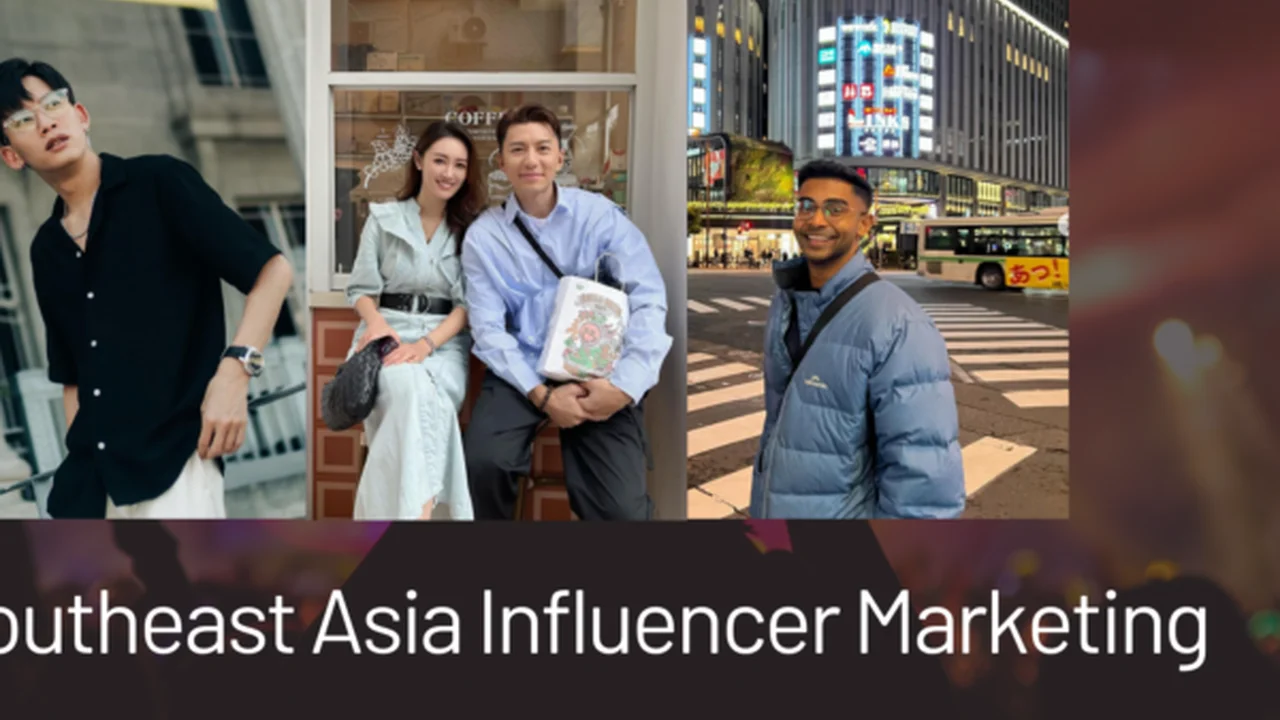
Alright, let's dive deep into influencer marketing, especially for brands looking to make a splash in Southeast Asia. This region is a vibrant, diverse, and incredibly mobile-first market, making it a goldmine for influencer collaborations. But it's not a one-size-fits-all situation. You've got countries like Singapore with high digital literacy and a strong appetite for luxury, then you have Indonesia and the Philippines with massive, engaged populations on platforms like TikTok and Instagram, and emerging markets like Vietnam and Thailand where local nuances are absolutely key. Understanding this diverse landscape is your first step. It's about recognizing that what works in Manila might not resonate in Kuala Lumpur, and vice versa. The sheer number of internet users here, coupled with a strong trust in peer recommendations, makes influencers incredibly powerful. We're talking about a market where people spend hours daily on social media, consuming content from their favorite creators. This isn't just about celebrity endorsements anymore; it's about authentic connections built by micro and nano-influencers who have genuine sway over their niche communities. Think about the cultural sensitivities, the local slang, the trending topics – these are all crucial elements that a good local influencer will naturally embody, making your brand message feel less like an ad and more like a friendly recommendation.
Identifying the Right Influencers for Your Brand in SEA
So, how do you find the right people to champion your brand? It's more than just follower count. You need to look for authenticity, engagement, and alignment with your brand values. For Southeast Asia, this often means digging deeper than just the big names. While macro-influencers can offer broad reach, micro and nano-influencers often deliver higher engagement rates and a more loyal, niche audience. These are the creators who have built trust within their communities, and their recommendations carry significant weight. When you're scouting, consider platforms like Instagram, TikTok, YouTube, and even local platforms like Kuaishou in some areas. Look at their content style – is it professional, raw, humorous, educational? Does it align with your brand's tone? Check their engagement rates: likes, comments, shares, and saves. A high follower count with low engagement is a red flag. Tools like HypeAuditor, Upfluence, and Grin can be incredibly helpful here. They allow you to filter by location, audience demographics, engagement rates, and even detect fake followers. For example, if you're a beauty brand targeting young women in Thailand, you'd want to find influencers whose audience is predominantly female, within a specific age range, and located in Thailand. These tools can also help you analyze past campaign performance and identify potential red flags like bot activity. Don't forget to manually review their content too. Do they genuinely engage with their audience? Are their comments authentic? A personal touch in your outreach to these influencers can also go a long way in building a strong, lasting partnership.
Crafting Engaging Influencer Marketing Campaigns for SEA Audiences
Once you've got your dream team of influencers, it's time to craft campaigns that truly resonate. This isn't about handing over a script and expecting magic. It's about collaboration and empowering influencers to create content that feels natural to them and their audience. For Southeast Asia, visual storytelling is paramount. Think vibrant imagery, engaging videos, and authentic narratives. User-generated content (UGC) is also a huge win here. Encourage influencers to create content that inspires their followers to also create and share. Contests, giveaways, and challenges are fantastic for driving engagement and virality. For instance, a food brand could partner with a food blogger in Vietnam to create a cooking challenge using their product, encouraging followers to share their own creations. Live streams and Q&A sessions are also incredibly popular, offering a direct and interactive way for influencers to connect with their audience and showcase your brand. Remember to localize your messaging. Even within Southeast Asia, languages, dialects, and cultural nuances vary significantly. A campaign that uses Bahasa Indonesia might not work in Tagalog. Provide clear guidelines but allow creative freedom. The more authentic the content feels, the more impactful it will be. Consider integrating local holidays and cultural events into your campaign calendar for maximum relevance and impact. For example, during Ramadan, a brand could partner with influencers to share recipes or gift ideas relevant to the festive season.
Measuring ROI and Optimizing Influencer Marketing Efforts
So, you've run your campaigns, but how do you know if they actually worked? Measuring ROI is crucial for optimizing future efforts. It's not just about vanity metrics like likes and comments. You need to track tangible results. Key performance indicators (KPIs) can include website traffic, sales conversions, lead generation, brand mentions, sentiment analysis, and follower growth. Use unique tracking links, discount codes, and dedicated landing pages for each influencer to accurately attribute conversions. Tools like Google Analytics can help you track website traffic and conversions originating from influencer campaigns. For social media, platform-specific analytics (Instagram Insights, TikTok Analytics) provide valuable data on reach, impressions, and engagement. Don't forget to conduct brand lift studies to measure changes in brand awareness, perception, and purchase intent. A/B testing different influencer content styles or calls to action can also provide valuable insights into what resonates best with your target audience. Regularly review your campaign data, identify what worked and what didn't, and use those learnings to refine your strategy. Influencer marketing is an iterative process; continuous optimization is key to long-term success. For example, if you notice that video content from a particular influencer drives significantly more sales than static posts, you might allocate more budget to video collaborations with that influencer in the future.
Specific Influencer Marketing Platforms and Tools for SEA
Navigating the influencer marketing landscape in Southeast Asia can be made easier with the right platforms and tools. Here are a few that stand out, along with their typical use cases and pricing models:
H2 Influencer Discovery and Management Platforms
* Influence Asia: This platform is specifically tailored for the Asian market, offering a vast database of influencers across various niches and countries in Southeast Asia. It's great for discovering local talent and managing campaigns end-to-end. They often work on a custom pricing model based on campaign scope and influencer tiers. Think of it as a one-stop shop for finding, vetting, and managing influencers, especially if you're new to the SEA market and need local expertise.
* Upfluence: While global, Upfluence has a strong presence and extensive database in Southeast Asia. It offers powerful search filters, audience demographics, and performance analytics to help you find the perfect match. Upfluence typically offers tiered subscription plans, starting from around $500-$1,000 per month, depending on the features and number of influencers you manage. It's particularly strong for data-driven influencer selection and campaign tracking.
* Grin: Another global player with good coverage in SEA, Grin focuses on building long-term influencer relationships. It's excellent for managing communication, contracts, and payments. Grin's pricing is also subscription-based, often starting in the range of $1,500-$2,500 per month for their basic plans, scaling up with more advanced features and usage. It's ideal for brands looking to foster genuine, ongoing partnerships rather than one-off campaigns.
* AspireIQ: Known for its robust campaign management features, AspireIQ helps brands scale their influencer programs. It allows for seamless content approval, payment processing, and performance tracking. AspireIQ's pricing is generally enterprise-level, often requiring a custom quote, but expect it to be in the higher range, suitable for larger brands with extensive influencer marketing needs.
H2 Social Listening and Analytics Tools for Influencer Insights
* Brandwatch: While not exclusively for influencer marketing, Brandwatch offers powerful social listening capabilities that can help you identify trending topics, monitor brand mentions, and discover potential influencers who are already talking about your industry or products. This can be invaluable for organic influencer discovery. Pricing is custom, based on data volume and features, but it's generally an enterprise-level solution.
* Talkwalker: Similar to Brandwatch, Talkwalker provides comprehensive social listening and analytics. You can track campaign performance, measure sentiment around your brand and influencers, and identify key conversations happening in the Southeast Asian digital space. Talkwalker also offers custom pricing, typically for larger organizations.
* HypeAuditor: This tool is a must-have for vetting influencers. It provides in-depth audience demographics, engagement rates, and fraud detection, helping you avoid fake followers and ensure you're partnering with legitimate creators. HypeAuditor offers various plans, including a free basic version, with paid subscriptions starting from around $300 per month for more detailed reports and features. It's excellent for ensuring the quality and authenticity of your influencer partnerships.
H2 Direct Outreach and Relationship Management
Sometimes, the best approach is direct. For micro and nano-influencers, a personalized email or direct message can be highly effective. Keep track of your outreach and relationships using simple CRM tools or even a well-organized spreadsheet. This personal touch can often lead to more authentic and engaged partnerships, especially with creators who are passionate about their niche.
Case Studies and Success Stories in SEA Influencer Marketing
Let's look at some real-world examples to illustrate how these strategies play out. For instance, a global beauty brand successfully launched a new skincare line in Indonesia by partnering with a mix of macro and micro-influencers on Instagram and TikTok. The macro-influencers created aspirational content, while the micro-influencers provided authentic reviews and tutorials, showcasing the product's effectiveness on different skin types. This multi-tiered approach generated significant buzz and drove impressive sales. Another example is a food delivery service in the Philippines that collaborated with local food bloggers and vloggers. They encouraged influencers to share their unique ordering experiences and favorite dishes, often incorporating local humor and relatable scenarios. This campaign not only increased app downloads but also fostered a strong sense of community around the brand. A travel agency targeting Singaporean millennials used Instagram travel influencers to showcase unique, off-the-beaten-path destinations. The influencers shared stunning visuals and personal anecdotes, inspiring their followers to book similar trips. These examples highlight the importance of understanding local culture, leveraging diverse influencer tiers, and creating authentic, engaging content that resonates with the target audience. The key takeaway is that successful influencer marketing in Southeast Asia is about building genuine connections and telling compelling stories that align with local values and preferences.
:max_bytes(150000):strip_icc()/277019-baked-pork-chops-with-cream-of-mushroom-soup-DDMFS-beauty-4x3-BG-7505-5762b731cf30447d9cbbbbbf387beafa.jpg)