Top 3 Sustainable Business Models for 2024
Explore the 3 most promising sustainable business models that are gaining traction and offering long-term viability in 2024.
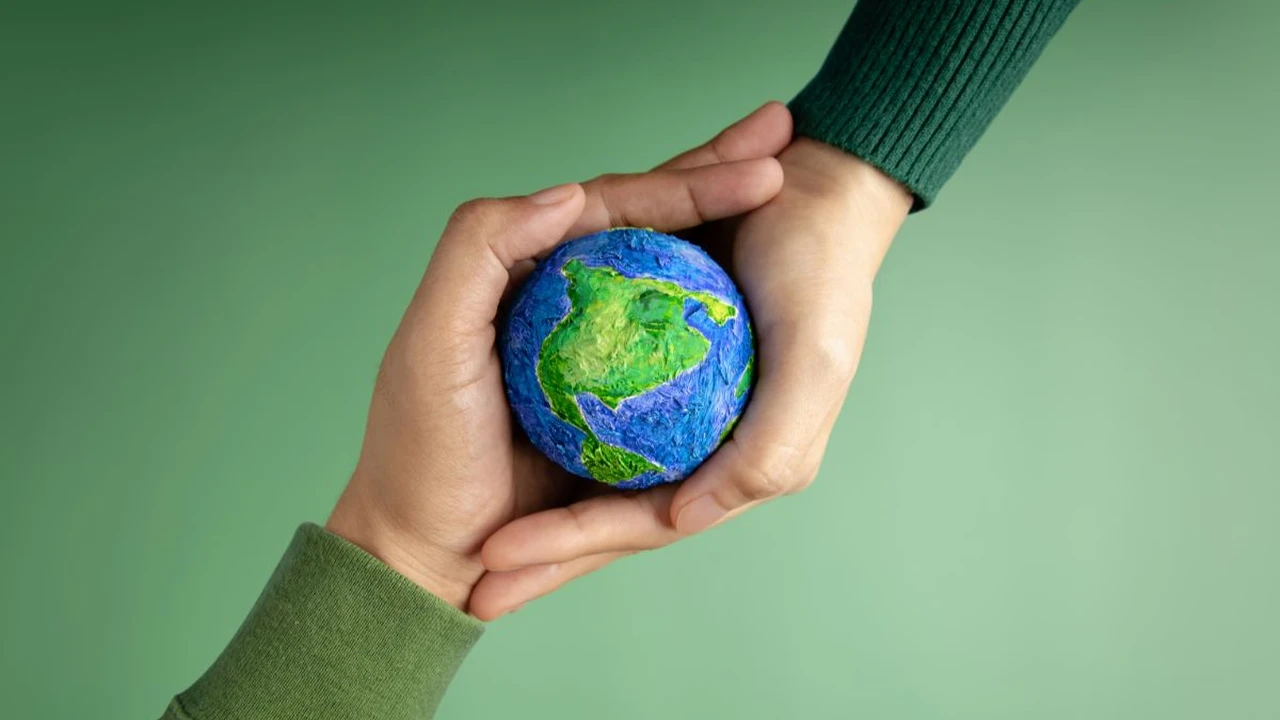
Explore the 3 most promising sustainable business models that are gaining traction and offering long-term viability in 2024. This article dives deep into the circular economy, subscription-based services with a green focus, and impact-driven enterprises, providing actionable insights for entrepreneurs and small business owners looking to build a resilient and responsible future.
Top 3 Sustainable Business Models for 2024
Hey there, future-forward entrepreneurs and small business owners! Are you looking to build a business that not only thrives financially but also makes a positive impact on the planet and its people? You're in the right place. The business landscape is shifting, and sustainability isn't just a buzzword anymore; it's a core pillar of long-term success. In 2024, certain business models are really standing out for their ability to blend profitability with purpose. We're going to dive into the top three sustainable business models that are gaining serious traction and offering incredible long-term viability. Get ready to discover how you can integrate these powerful frameworks into your own ventures.
The Circular Economy Business Model Embracing Resource Efficiency and Waste Reduction
First up, let's talk about the circular economy. This isn't just about recycling; it's a complete rethink of how we design, produce, and consume goods. Instead of our traditional linear 'take-make-dispose' model, the circular economy aims to keep resources in use for as long as possible, extract the maximum value from them whilst in use, then recover and regenerate products and materials at the end of each service life. Think about it: less waste, more value, and a healthier planet. It's a win-win-win!
Key Principles of the Circular Economy for Sustainable Business
The circular economy operates on a few core principles:
- Design out waste and pollution: From the very beginning, products are designed to be durable, repairable, and ultimately recyclable or compostable.
- Keep products and materials in use: This involves strategies like repair, reuse, remanufacturing, and recycling.
- Regenerate natural systems: Moving away from finite resources and towards renewable energy and materials.
Implementing Circularity Practical Examples and Tools for Small Businesses
So, how can a small business actually implement circular economy principles? It might sound daunting, but there are many practical ways. Consider a clothing brand that offers repair services, or a furniture company that uses reclaimed wood and offers buy-back programs. Even a coffee shop can embrace circularity by using reusable cups and composting coffee grounds.
Product Recommendation 1: Loop Global Reusable Packaging System
For businesses looking to integrate reusable packaging, Loop Global is a fantastic solution. Loop partners with major brands to offer products in durable, reusable packaging that customers return to be cleaned and refilled. While primarily for larger brands, their model inspires smaller businesses to explore local reusable packaging initiatives. Imagine a local deli using Loop-style containers for their sandwiches or a local soap maker offering refills. The cost for businesses to participate or adapt similar models can vary widely, but investing in reusable infrastructure often pays off in reduced material costs and enhanced brand image. For a small business, this might mean investing in durable, branded containers and setting up a local return and refill system. Initial investment could range from a few hundred to a few thousand dollars for inventory and cleaning supplies, but it significantly reduces ongoing packaging costs and appeals to eco-conscious consumers.
Product Recommendation 2: Terracycle Zero Waste Boxes
If your business generates hard-to-recycle waste, Terracycle's Zero Waste Boxes are a game-changer. They offer specialized boxes for almost any waste stream – from coffee capsules to laboratory plastics. You fill the box, ship it back, and Terracycle recycles or upcycles the contents. This is perfect for offices, cafes, or small manufacturing businesses that want to ensure their waste doesn't end up in a landfill. Prices for Zero Waste Boxes vary depending on the waste stream and size, typically ranging from $80 to $400 per box. This might seem like an expense, but it's an investment in your environmental footprint and can be a powerful marketing tool.
Product Recommendation 3: Repair Cafe Movement
For service-oriented businesses, consider embracing the Repair Cafe movement. While not a product, it's a model. Businesses can host or sponsor repair events, offering their expertise to fix broken items for customers. This not only extends product lifespans but also builds community goodwill and showcases your skills. A local electronics repair shop could host a monthly 'fix-it clinic,' attracting new customers and demonstrating their commitment to sustainability. The cost here is primarily labor and perhaps some spare parts, but the marketing and community engagement benefits are immense.
Subscription-Based Services with a Green Focus Building Loyalty and Predictable Revenue
Next up, let's talk about subscription-based services, but with a crucial twist: a green focus. Subscription models are already popular because they offer predictable revenue and foster customer loyalty. When you add a sustainability element, you're tapping into a growing market of consumers who want convenience without compromising their values. This model encourages longer product lifespans, reduces overconsumption, and often involves eco-friendly product delivery or service provision.
Benefits of Green Subscriptions for Businesses and Consumers
For businesses, green subscriptions mean recurring revenue, stronger customer relationships, and a clear brand identity. For consumers, it's about convenience, knowing they're making a responsible choice, and often saving money in the long run by avoiding single-use purchases. Think about refillable cleaning product subscriptions, ethical coffee bean deliveries, or even tool rental services that reduce the need for individual ownership.
Examples and Tools for Sustainable Subscription Models
Imagine a subscription box for eco-friendly household products, where customers receive refills in reusable containers. Or a service that rents out high-quality, durable baby clothes, reducing textile waste. The possibilities are endless!
Product Recommendation 1: Loop for Business (again!)
Yes, Loop Global comes up again because its model is inherently subscription-friendly. Businesses can offer their products in Loop's reusable packaging as part of a subscription service. For example, a gourmet food company could offer a monthly subscription for olive oil or specialty sauces in Loop containers. The customer pays a deposit for the container, which is refunded upon return. This integrates circularity directly into a subscription model. The cost structure would involve a partnership with Loop or a similar local service, potentially involving a per-unit fee or a setup cost, but it aligns perfectly with both sustainability and recurring revenue goals.
Product Recommendation 2: RePack Reusable Packaging Service
For e-commerce businesses, RePack offers a reusable packaging service for shipping. Customers receive their orders in a RePack bag or box, and once they've unpacked, they simply drop the empty packaging into a mailbox, free of charge. RePack then cleans and reuses the packaging. This is ideal for online retailers offering subscription boxes or frequent purchases. RePack charges businesses a fee per shipment, which can range from €1 to €3 per package, depending on volume. This cost is often offset by reduced single-use packaging expenses and increased customer loyalty from environmentally conscious shoppers.
Product Recommendation 3: Shopify Subscription Apps (e.g., Recharge Subscriptions)
If you're running an e-commerce store on platforms like Shopify, apps like Recharge Subscriptions (starting around $99/month plus transaction fees) or Bold Subscriptions (starting around $20/month plus transaction fees) are essential. These tools allow you to easily set up and manage recurring billing for your sustainable products or services. They handle everything from payment processing to customer portals, making it simple to offer a green subscription model. While the apps themselves have a cost, they provide the infrastructure to build a predictable revenue stream.
Impact-Driven Enterprises Prioritizing Social and Environmental Good
Finally, we have impact-driven enterprises. These businesses aren't just about making a profit; they're built from the ground up with a mission to create positive social and environmental change. Their core business model is designed to address specific challenges, whether it's poverty, climate change, or inequality. This model resonates deeply with modern consumers and employees who want to be part of something bigger than themselves.
Defining Impact-Driven Business Models Beyond Profit
An impact-driven enterprise integrates its social or environmental mission directly into its products, services, and operations. This isn't corporate social responsibility (CSR) as an add-on; it's fundamental to their existence. Think B Corps, social enterprises, or businesses with a 'buy one, give one' model.
Strategies for Building a Purpose-Led Business and Measuring Impact
Building an impact-driven business requires clear values, transparent reporting, and a genuine commitment to your mission. It's about measuring not just financial returns but also your social and environmental impact. This often involves certifications, partnerships with non-profits, and engaging your community.
Product Recommendation 1: B Corp Certification
For businesses serious about being impact-driven, pursuing B Corp Certification is a gold standard. B Corps are companies that meet the highest standards of verified social and environmental performance, public transparency, and legal accountability to balance profit and purpose. The certification process involves a rigorous assessment and can cost anywhere from $500 to $50,000 annually, depending on revenue. While an investment, it provides a powerful framework for impact and a globally recognized mark of trust and credibility.
Product Recommendation 2: Impact Measurement and Management Software (e.g., Sopact)
To truly be impact-driven, you need to measure your impact. Tools like Sopact (pricing available upon request, often starting in the low thousands annually) or other impact measurement and management (IMM) software help businesses track, analyze, and report on their social and environmental performance. These platforms allow you to define your impact goals, collect data, and demonstrate your progress to stakeholders. This is crucial for transparency and proving your commitment to your mission.
Product Recommendation 3: Fair Trade Certification
If your business involves sourcing products, especially from developing countries, Fair Trade Certification is an excellent way to ensure ethical supply chains and empower producers. Fair Trade standards ensure fair wages, safe working conditions, and environmental protection. The cost of certification varies based on product type and volume, but it's an investment in ethical sourcing that resonates strongly with conscious consumers. For a small business importing coffee or textiles, this could involve annual fees and audit costs, but it provides a clear differentiator and aligns with impact goals.
So there you have it – three powerful sustainable business models that are not only viable but thriving in 2024. Whether you're looking to reduce waste, build loyal customer bases with green offerings, or make a direct positive impact, these models offer a roadmap for success. The future of business is sustainable, and by embracing these approaches, you're not just building a company; you're building a better world.
:max_bytes(150000):strip_icc()/277019-baked-pork-chops-with-cream-of-mushroom-soup-DDMFS-beauty-4x3-BG-7505-5762b731cf30447d9cbbbbbf387beafa.jpg)